

If "tongue posture" is a new concept to you, welcome — you're where most adults start. It's a simple idea with wide-ranging effects, and the good news is that it's genuinely trainable in weeks, not years, for most adults. Here's the plain-English beginner's guide.
Everything you need to know for week one — what tongue posture is, why it matters, and where to start today with no equipment. Then how a patented resting-posture appliance accelerates the pattern.

What Tongue Posture Actually Is
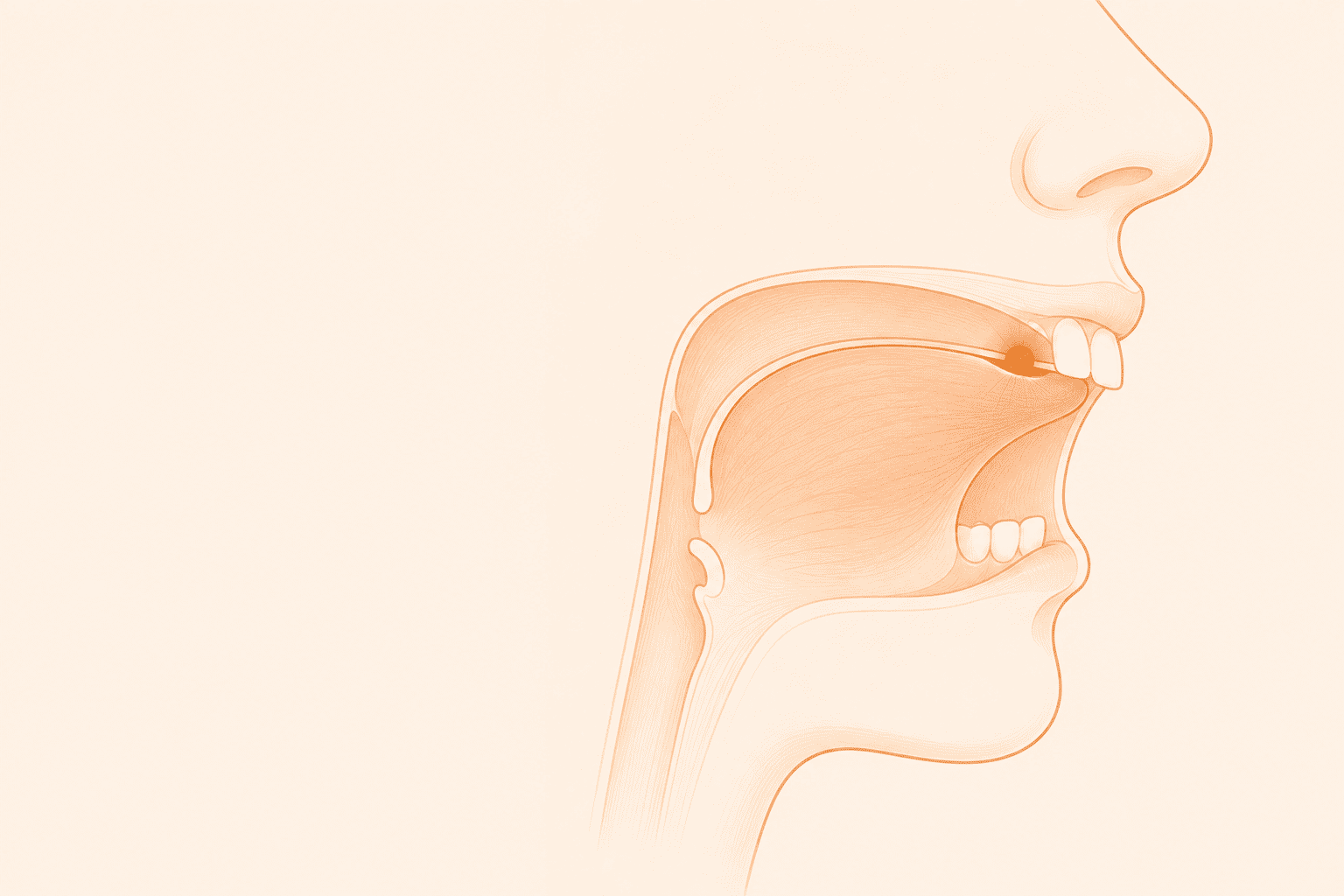
Tongue posture is where your tongue lives at rest — when you're not talking, chewing, or swallowing. There are two default states:
- High posture (the target): tongue tip on the "spot" (bumpy area just behind upper front teeth), rest of tongue sealed against the palate, mouth closed, breathing through the nose.
- Low posture (the pattern most adults have): tongue in the floor of the mouth, mouth often slightly open, breathing partly or fully through the mouth.
Most adults have never been told high posture is the target, so most adults default to low. That single variable is upstream of a surprising number of common adult issues — from chronic jaw tension to sleep quality to speech clarity to airway compromise. Full tongue posture pillar →
Why This Matters For Adults
Better nighttime airway.
High resting posture during the day carries into sleep — tongue stays forward, airway stays open. Less snoring, less morning dry mouth. Sleep & airway pillar →
Reduced jaw and neck tension.
When the tongue holds the palate, the jaw stops compensating. Chronic jaw clench and referred neck tension often trace to low tongue posture.
Cleaner articulation.
Adult residual speech patterns (lisp, /r/ drift) often persist because the substrate wasn't fixed in childhood. Adult retraining works. Adult residual speech →
Better breath under load (for athletes).
Tongue posture keeps the airway open during exertion. Nasal breathing under training load becomes sustainable when the substrate is fixed. Athletic pillar →
Postural chain unwinding.
Head-forward posture, chest compression, tight hip flexors — all downstream of the top of the fascial chain (the tongue). Lips to hips →
TMJ symptom relief.
Chronic clench and morning headaches often resolve as tongue posture retrains. Cause-directed care rather than symptom management. TMJ pillar →
Week One — Start Today, No Equipment
Exercise 1: Find the spot.
Close your mouth. Say the letter "N." Your tongue tip is on the "spot" — the bumpy area behind your upper front teeth. That's where the tongue tip should live at rest. Practice locating it 10 times a day.
Exercise 2: Awareness check.
Every hour on the hour, check where your tongue is. If it's on the floor of your mouth, gently move it to the spot. Do this for one week. Awareness is the first phase of change.
Exercise 3: Nasal breathing at rest.
Practice 2-3 minutes of quiet nasal breathing 3 times a day — morning, midday, before bed. Mouth closed, tongue on spot, breath slow through the nose. Five tongue exercises →
These three exercises alone, done consistently for two weeks, produce noticeable awareness change. Some adults report reduced jaw tension and better morning freshness by week 3-4. To go further faster, add a resting-posture appliance in week 3.
Week 3-8 — Add The Substrate Anchor
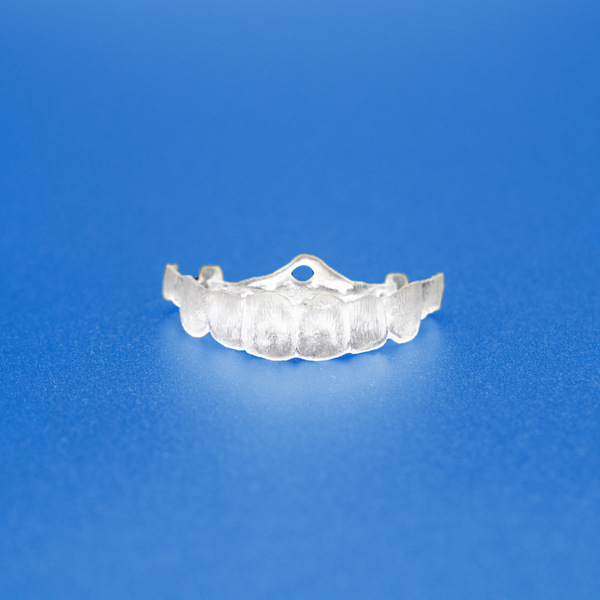
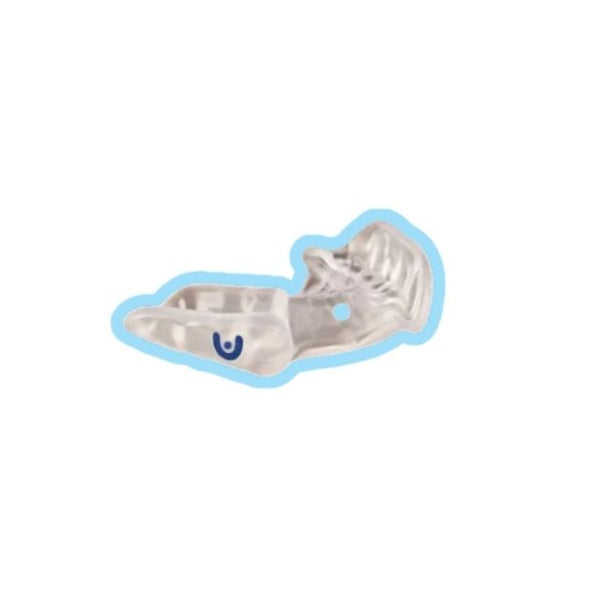
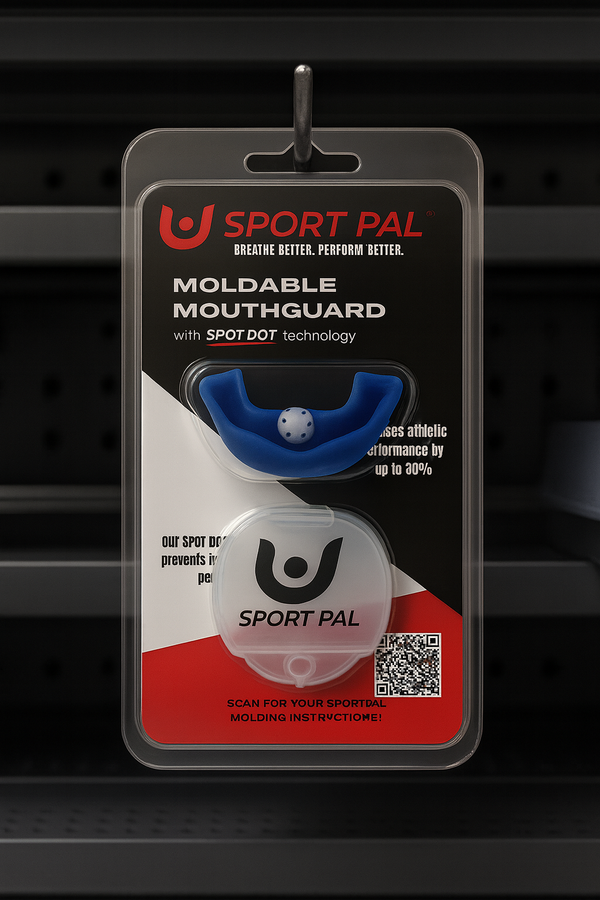
Once awareness is established, Adult Spot Pal is the patented device that provides a tactile "spot" for your tongue to home against passively — without requiring active concentration. Worn 30-60 minutes during focused work (reading, screen time, deep work), it rewrites the resting default over 6-12 weeks.
This is the phase where the pattern shifts from "conscious correction" to "autonomous default." Rest posture becomes what your tongue does when you're not thinking about it — carrying into sleep, into stress, into fatigue. That's the outcome that matters. 8-week nasal breathing progression →
"Complete beginner. Never heard of tongue posture until a friend mentioned it. Did the awareness exercises for two weeks — realized my tongue defaulted to the floor of my mouth every time. Added Adult Spot Pal in week three during reading hours. Six weeks later my morning jaw tension is 80% gone, sleeping better, and my partner says I stopped snoring. Simple concept. Real effect."
The Adult Beginner Stack
Common Questions
How long before I see change?
Awareness within days. Habitual mouth-closed rest posture at 4-6 weeks. Downstream markers (jaw tension, sleep quality, morning freshness) at 8-12 weeks. Full pattern autonomy at 3-6 months. Consistency matters more than intensity.
Do I need Adult Spot Pal to start?
No. The Week One exercises are free and effective for awareness. Adult Spot Pal accelerates the phase from "conscious correction" to "autonomous default" — that's where most self-directed adults plateau. Starting without the appliance is fine; adding it in Week 3-4 is where most people accelerate.
Is this evidence-based?
Myofunctional therapy has documented evidence for sleep-airway improvement, TMJ symptom reduction, and post-orthodontic relapse reduction. Appliance-specific RCT data is emerging. Mechanism is well-supported clinically. Individual variance is significant.
Am I too old to change this?
No. Palatal shape is set in adulthood but neuromuscular resting posture is trainable at any age. Timeline is slower than in kids (deeper habit) but mechanism works the same. Adults in their 40s, 50s, 60s all show meaningful shifts with consistent work.
Should I see a myofunctional therapist?
Recommended if you have specific issues (TMJ, chronic tension, unresolved speech, sleep-apnea markers). For general "want to improve" self-guided work is often adequate to start. Add a therapist if you plateau at 8-12 weeks.
Share:
Allergies & Mouth Breathing: The Hidden Airway Loop
Jaw Exercises for TMJ Home Care: What Actually Reduces Pain