

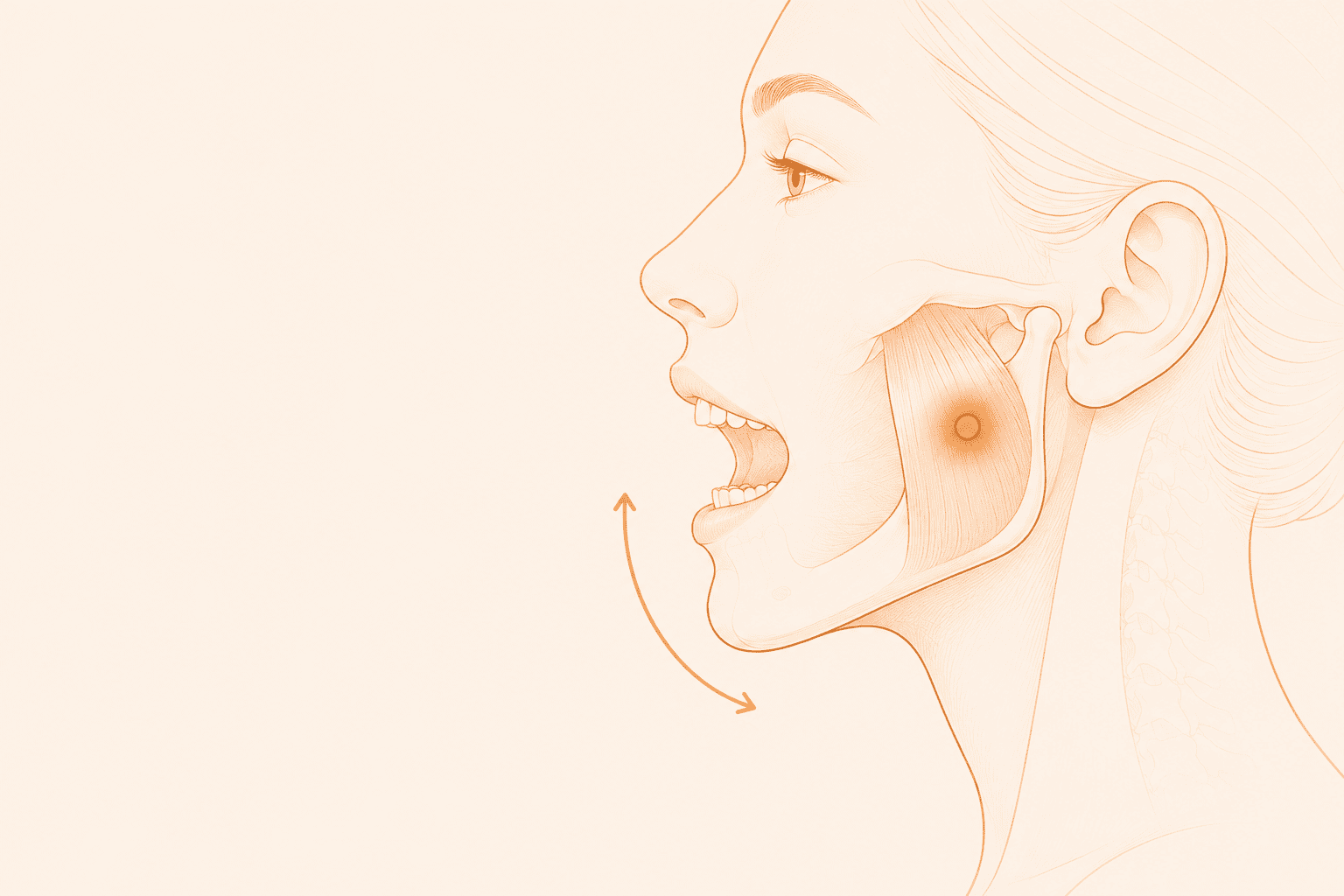
If TMJ pain is a daily thing, waiting for your next PT session isn't the plan. Home care between sessions is where most of the recovery actually happens — but only if you're doing exercises that address the mechanism, not just the muscle.
Here are five PT-informed jaw exercises that reduce pain by targeting the whole system — muscle, joint, tongue posture — plus where a patented daytime appliance fits in the routine.

The Home-Care Principle
TMJ home care works when it addresses three layers simultaneously: relaxing the overworked muscles, restoring joint mobility, and retraining the resting posture that's driving the whole pattern. Exercises that only target one layer produce partial relief that fades between sessions.
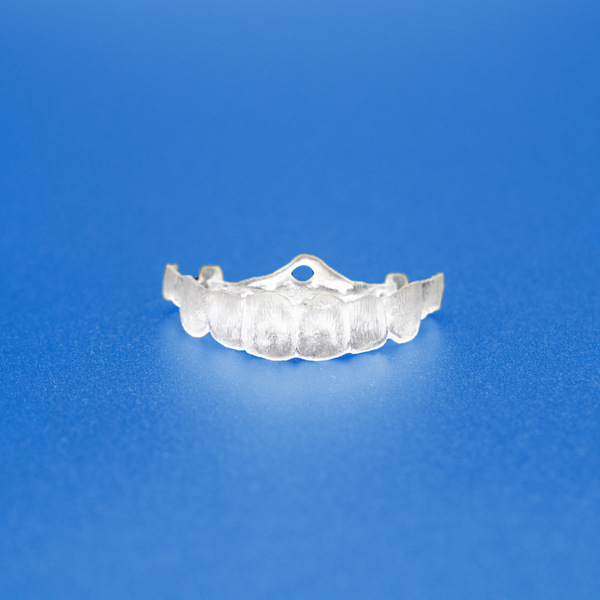
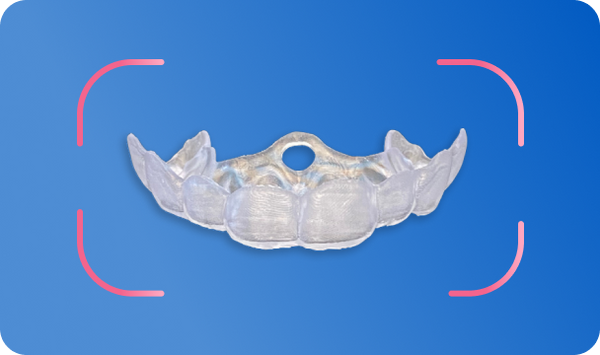
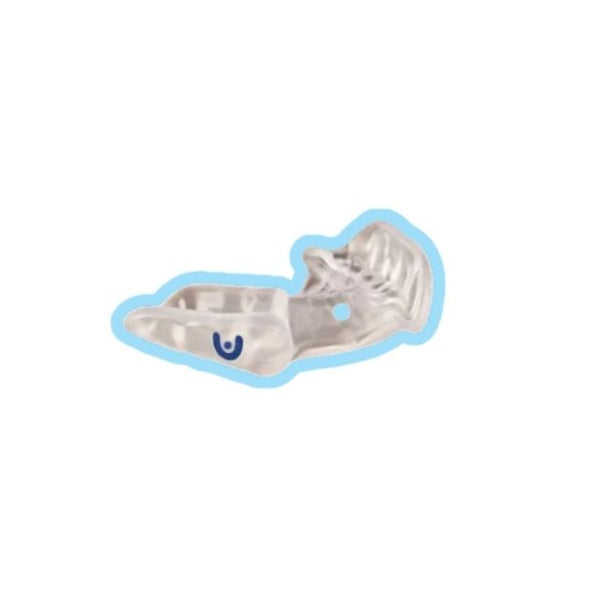
This is why PT-informed home routines pair muscle-relaxation drills with posture work. Adding a patented resting-posture appliance like Adult Spot Pal during focused-work windows accelerates the substrate side. TMJ pillar →
Five Exercises For Daily Home Care
1. Rest Position Reset.
Place tongue tip on the "spot" behind upper front teeth. Teeth slightly apart. Lips together. Hold 30 seconds. Repeat 5 times, 3 times a day. Reprograms the resting default.
2. Controlled Mouth Opening.
Tongue on spot. Slowly open mouth as wide as comfortable — no popping, no clicking. Hold 3 seconds. Slowly close. Repeat 10 times, twice a day. Restores joint range without triggering compensation.
3. Chin Tuck.
Sit tall. Draw chin straight back (making a subtle double chin). Hold 5 seconds. Release. Repeat 10 times, 3 times a day. Unwinds the forward-head posture that loads the TMJ asymmetrically. Lips to hips →
4. Masseter Release.
Locate the masseter (bulge at back of jaw when you clench). Apply firm pressure with fingertips. Slowly open and close mouth 5 times. Move to next spot. Cover the full masseter over 3-4 spots. Twice a day. Physical release of chronic tension.
5. Tongue-To-Palate Suction Hold.
Suction whole tongue against palate. Hold 5 seconds. Release. Repeat 10 times, 3 times a day. Builds the tongue-palate seal that keeps the jaw off structural duty. Five tongue exercises →
When To Add The Appliance Layer
Once you've done the exercises consistently for 2-3 weeks and the tongue-palate posture starts to feel accessible, adding Adult Spot Pal during 30-60 minute focused-work windows accelerates the pattern consolidation. It provides a passive tactile anchor for hours you're not actively drilling.
Continue nightly nightguard for tooth protection. The exercises + Adult Spot Pal + Night Pal = the layered stack that addresses cause + protects against damage during the retraining phase. Nightguard cycling guide →
"PT twice a week for six months, some improvement but pain always came back. Started doing these five exercises daily plus Adult Spot Pal during work. Ten weeks later my PT actually discharged me — pain reduction held between sessions for the first time. Home care matters more than the sessions if you do it right."
The TMJ Home Care Stack
Common Questions
Do these exercises replace PT?
No — they're home care between sessions. PT identifies your specific pattern and prescribes appropriate progression. Home routine consolidates the session work.
What if an exercise makes pain worse?
Stop it. Any exercise producing sharp pain, popping, or grinding sounds isn't right for your case. Check with your PT before continuing.
How long before pain reduces?
Consistent daily practice typically produces morning-symptom shifts in 4-6 weeks. Full pattern consolidation runs 3-6 months.
Should I do these while wearing Adult Spot Pal?
No — exercises are done device-free. Spot Pal is worn during quiet focused-work windows separately. The two layers work together but not simultaneously.
Are these safe for locked jaw or severe TMJ?
Severe cases (locked jaw, progressive facial asymmetry, condylar pathology) need orofacial pain specialist evaluation before starting home exercises.
Share:
Adult Tongue Posture Beginner's Guide: Where to Start From Zero
Adult /s/ Carryover: The Lisp That Comes Back Under Stress