


Boxers know the feeling — round three, arms feel like lead, breath goes shallow, decision-making foggy. The default fix is more roadwork, more cardio, more conditioning. That misses the actual bottleneck: how you're breathing under load, not how much oxygen you can move.
Here's the tongue-posture protocol combat coaches are quietly building into their fighters' prep — and why it changes late-round performance more than another mile a day would.

Why Combat Punishes Mouth Breathers Hardest
Combat sport combines two demands that expose breath-mechanics failure faster than any other sport: sustained high-intensity output AND decision-making under pressure. When you collapse to mouth breathing mid-round, CO2 dumps too fast, sympathetic tone spikes, and cognition drops right when you need it most.
Boxers, MMA fighters, kickboxers, and BJJ competitors who train tongue-posture and nasal-breathing carryover extend their sustained-output window. The transition point where nasal collapses to mouth moves higher — meaning cleaner conditioning at the moments where fights are won. Athletic pillar →
Five Signals Your Breath Is Leaking Rounds
Mouth open early.
Warm-ups, round one, your mouth is already open. Nasal window closed too early.
Late-round cognitive fog.
Legs feel fine, decision-making tanks. Classic CO2-dysregulation pattern.
Jaw locks during clinches / hard rolls.
Compensatory clench — tongue not sealing the palate.
Gasping between rounds.
Not recovering in the corner. Deep mouth-breath gasping means the pattern is running the whole system.
Morning HRV low despite training load.
Nighttime mouth breathing is stealing your recovery. Sleep-airway carryover. Recovery & sleep →
Weight-cut struggles.
Poor recovery + fragmented sleep make cuts harder. Cardio work extends the pattern rather than shifting it.
The Fight-Camp Breath Protocol
Week 1-2 · Nasal warm-ups.
All warm-up and mobility work becomes nasal-only. Wear Boil & Bite Sport Pal throughout. Sets the tongue-palate seal under mild output.
Week 2-4 · Bag work and drilling nasal.
Light bag rounds, positional drilling, flow rolling — nasal-only. Wearing Sport Pal keeps the mechanic reinforced under low-to-moderate output. BJJ & combat nasal breathing →
Week 4-6 · Extending the nasal window.
Push nasal-only through round 2 of pad work and sparring. When breath collapses to mouth, back the intensity down until nasal holds. This is where CO2 tolerance measurably expands.
Week 6+ · Fight-specific carryover.
Hard sparring — everyone mouth-breathes at max effort, and that's built in. What's different is when. The transition point moves later. Round 3 becomes round 4. That's the fight-camp win. Use competition-rated impact mouthguard for actual sparring; Sport Pal for warm-ups and cooldowns. Athlete lander →
"Amateur boxer, three years in, always faded round 3. Coach put me on nasal-only for warm-ups and pads with Sport Pal for eight weeks. Next amateur fight I finished round 3 stronger than round 1. Same weight, same training block, different late-fight capacity. Now I don't warm up without it."
The Fight Camp Stack
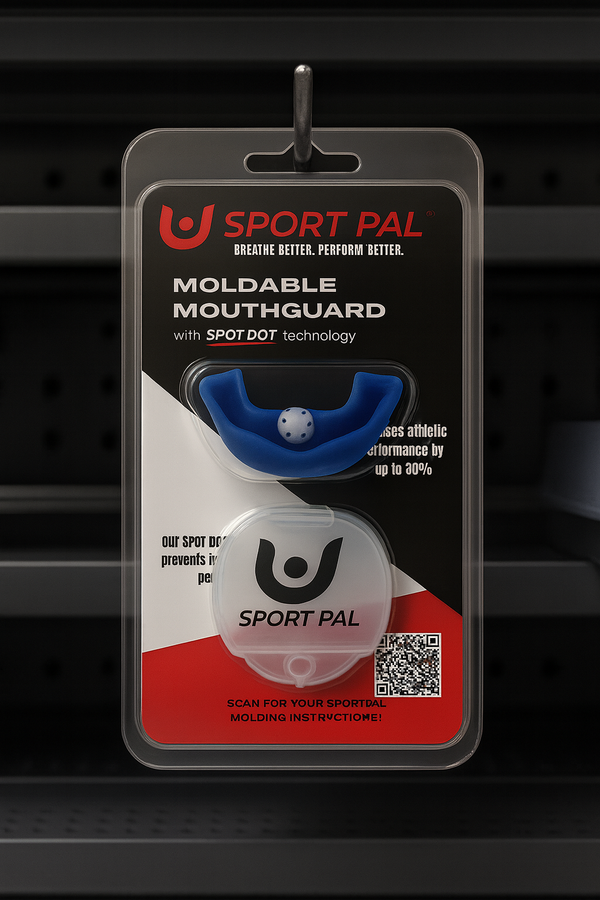
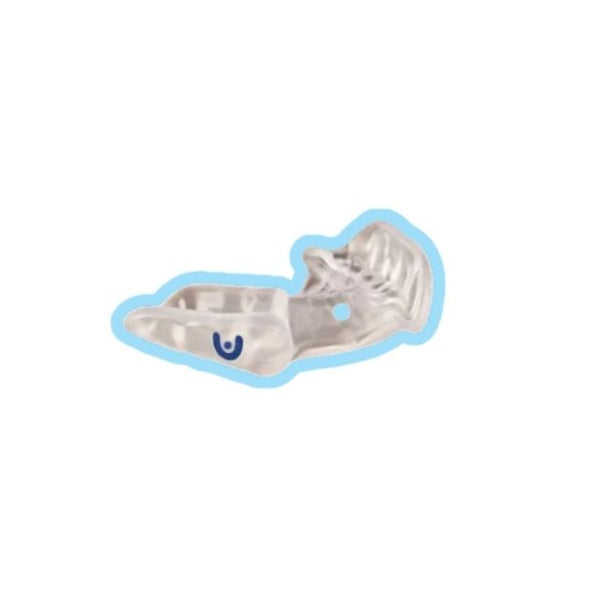
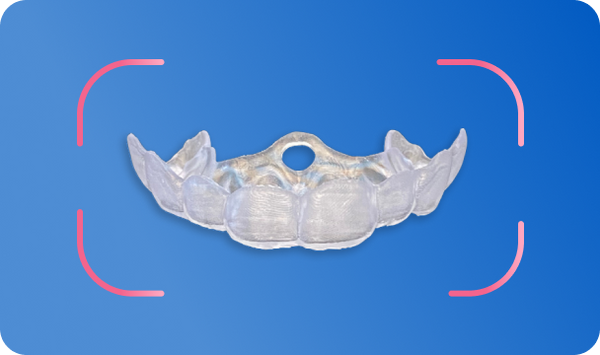
Common Questions
Can I wear Sport Pal in an actual fight?
No. For competition and hard sparring, use your ASTM-rated impact mouthguard. Sport Pal is for warm-ups, drilling, roadwork, mobility.
Does this help my weight cut?
Indirect. Better sleep and recovery from tongue-posture retraining supports overall body-composition work over months.
How long into fight camp before I feel it?
Warm-up feel changes in 2-3 weeks. Late-round conditioning shifts noticeably at 6-10 weeks.
Does this replace running?
No — complements it. Roadwork builds cardio capacity. Nasal-breathing training builds respiratory efficiency. Best fighters do both.
Is this training legal in every combat sport?
Yes — nasal breathing training is not a regulated substance or method. Combat sport commissions have no rules against tongue-posture appliances in training.
Share:
Adult /s/ Carryover: The Lisp That Comes Back Under Stress
Feeding Difficulties in Kids: When It's a Tongue Function Issue