

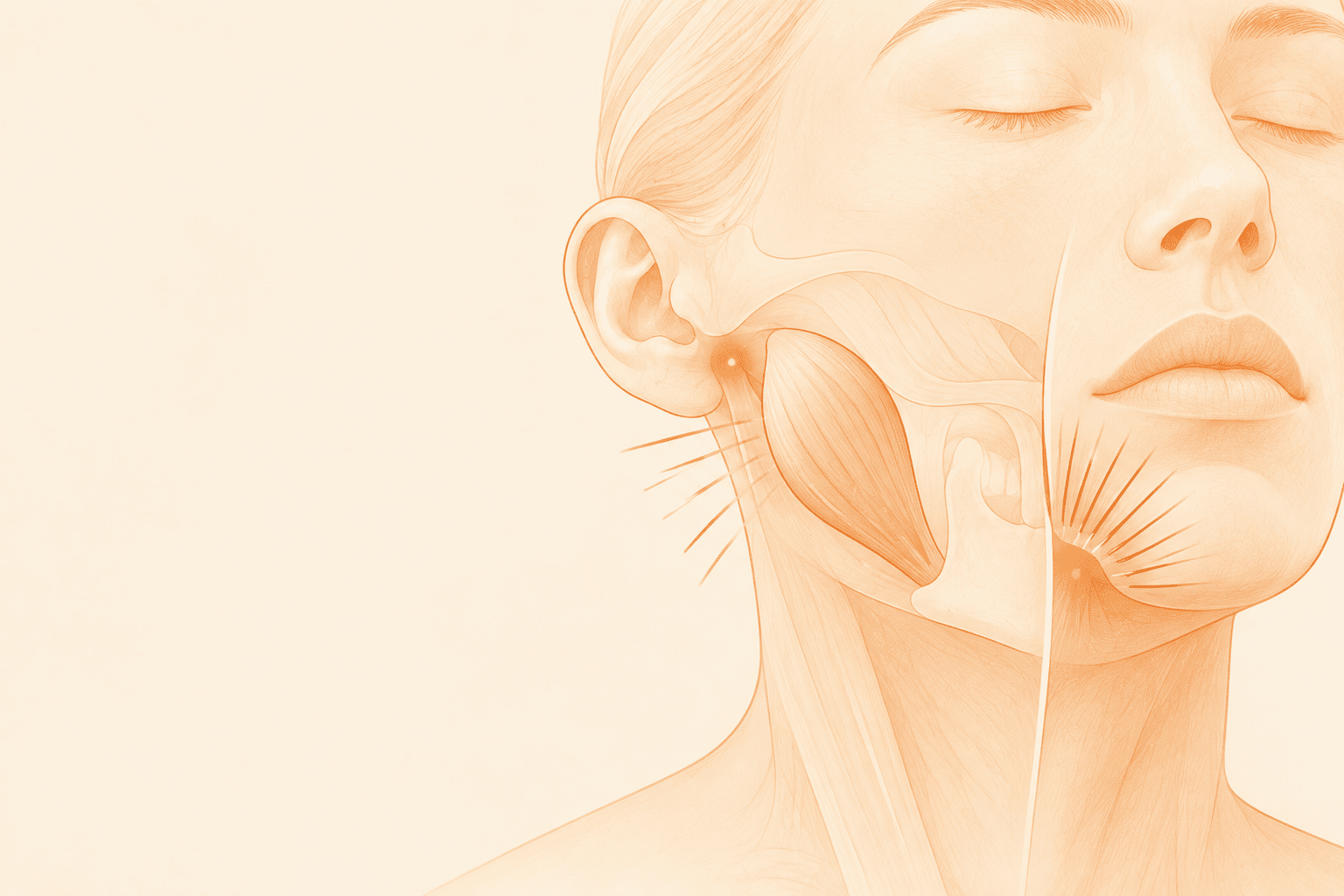
Masseter Botox for TMJ has become one of the fastest-growing off-label uses in the aesthetics-and-pain world. It works — reduces clench force, softens jawline, quiets headaches for a few months. What it doesn't do is address why the jaw is clenching in the first place.
Here's a direct comparison of Botox versus a patented myofunctional protocol for chronic TMJ, when each fits, and when combining them makes the most sense.

What Each Actually Does
Masseter Botox
Mechanism: temporarily weakens the masseter muscle, reducing the force of clench and grind.
Effect duration: 3-4 months per injection cycle.
Cost: $600-1,500 per cycle depending on provider and dosage.
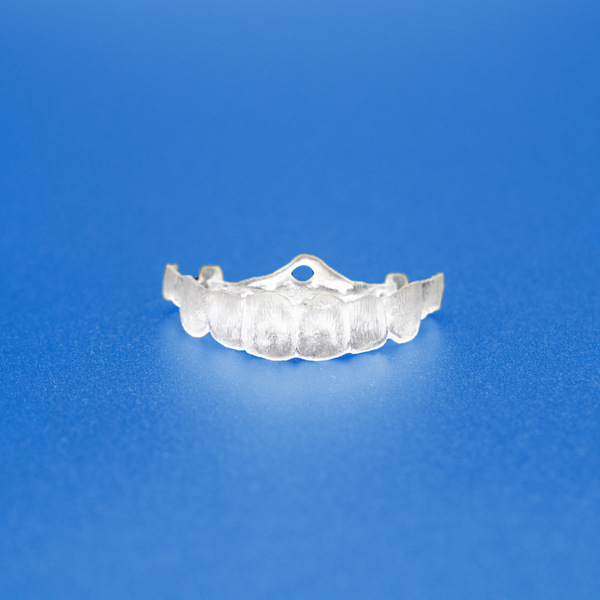
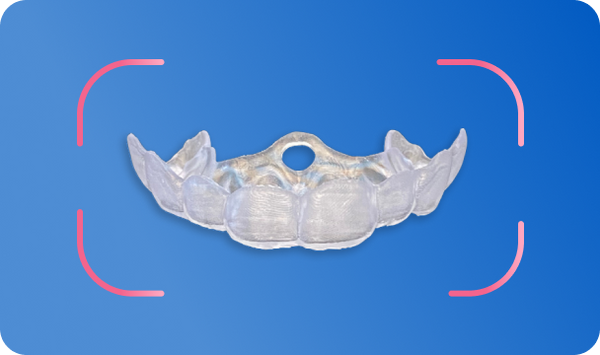
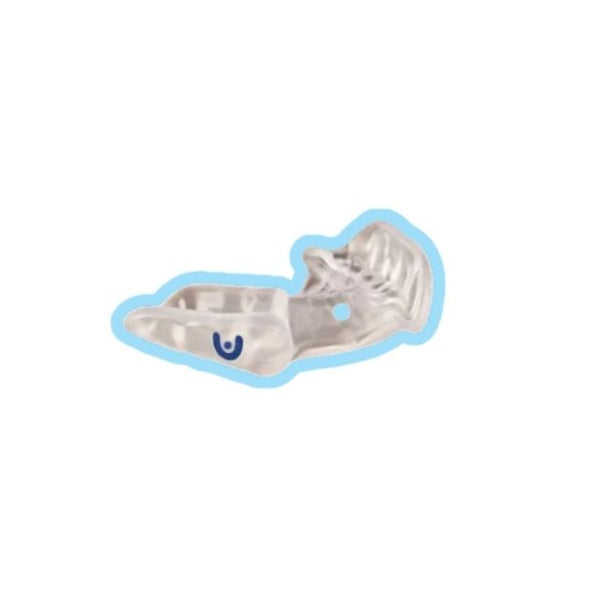
Myofunctional + Adult Spot Pal
Mechanism: retrains resting tongue posture and jaw pattern — addresses the underlying driver of clench.
Effect duration: permanent once pattern consolidates (6-12 months typical).
Cost: $229 for Adult Spot Pal + variable myofunctional therapy costs.
Full Comparison
Decision Framework
Consider Botox if:
- Severe acute pain and you need buffer while working on underlying protocol.
- Cosmetic jawline goals are part of your consideration (masseter Botox slims the jaw shape over time).
- You have specific injection-appropriate anatomy per oral pain specialist assessment.
- You're pairing with cause-directed work (Spot Pal + myofunctional) so Botox buys time while pattern retrains. Nightguard cycling guide →
Choose Myofunctional + Adult Spot Pal if:
- You want the cause addressed, not just buffered.
- Cost efficiency over years matters — $229 one-time versus $1,800-6,000 annually adds up.
- You're not looking at cosmetic jawline changes.
- You have airway markers (mouth-open sleep, snoring) — myofunctional addresses those too. Sleep & airway pillar →
- You're willing to commit 6-12 months of consistent daytime rest-posture work.
Combine both if:
- Severe symptoms need immediate relief AND you want long-term resolution.
- Consider Botox for the first 3-6 months for pain buffer while myofunctional protocol runs in parallel.
- Skip further Botox cycles once cause-directed work has consolidated (typically 6-12 months in). Bruxism real causes →
"Two rounds of Botox — worked great for four months at a time, then I'd cycle back. Cost was mounting and my dentist finally said 'have you thought about the pattern itself?' Started myofunctional therapy plus Adult Spot Pal in parallel with my third Botox cycle. Nine months in, I skipped my next scheduled Botox appointment. That was a year ago. Pattern hasn't come back."
The Cause-Directed Stack
Common Questions
Is Botox safe long-term for masseter?
Generally considered safe when performed by qualified providers. Long-term use can result in muscle atrophy — sometimes desired for jawline shaping, sometimes problematic for chewing strength. Discuss dosing and long-term plan with an orofacial pain specialist or facial-aesthetics provider trained specifically in masseter injections.
Can I start with Botox and transition to myofunctional later?
Common path. Botox for acute relief in the first 3-6 months while myofunctional protocol builds substrate. Skip subsequent Botox cycles as the cause-directed work consolidates. Many patients report never returning to Botox once the pattern is retrained.
Is Botox for TMJ FDA-approved?
Off-label use. Botox is FDA-approved for cosmetic and certain medical indications, but not specifically for TMJ. Providers use it off-label with documented efficacy in the clinical literature. Insurance coverage for TMJ Botox varies significantly.
Does Botox change my face shape?
Over multiple cycles, yes — masseter atrophy typically produces a slimmer, less-square jawline. Some patients want this; others don't. Discuss with your provider whether this is a feature or a bug for your goals.
Which is better for morning headaches specifically?
Both can help. Botox produces faster relief (1-2 weeks). Myofunctional protocol takes 6-10 weeks but resolves the pattern rather than buffering. If headaches are severe and daily, Botox as short-term buffer while myofunctional runs makes clinical sense.
Share:
Snoring Solutions Beyond CPAP: A Practical Decision Guide
/R/ Sound Therapy for Kids: What Actually Works Past Age 7